

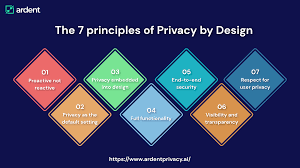
Privacy is now part of product design
Privacy by design means that privacy is considered before software is built, not after it launches. For modern platforms, this is becoming essential. Products collect user data through accounts, analytics, logs, payments, messages, profiles and integrations. Every data point creates responsibility.
The traditional approach treated privacy as a legal document or cookie banner. That is no longer enough. Privacy decisions now appear in database schemas, default settings, retention policies, dashboards and onboarding flows. Product managers, designers and developers all influence how much data is collected and how users understand that collection.
Data minimization as a practical principle
A useful privacy question is simple: does the product truly need this data? If the answer is unclear, the team may be collecting too much. Data minimization reduces risk by limiting what is stored, how long it is kept and who can access it. This can also make systems easier to maintain.
For example, a platform may not need to store full personal details if a simple identifier is enough. Analytics can often be aggregated. Logs can be filtered to avoid unnecessary personal data. Default privacy settings can be designed to protect users instead of pushing them toward maximum sharing.
Privacy and trust
Good privacy design can become a trust advantage. Users are more likely to trust platforms that explain data use clearly and avoid unnecessary collection. Business customers also care because they must manage their own compliance obligations. A platform with better privacy defaults can reduce friction in procurement and partnerships.
Privacy also connects to security. The less unnecessary sensitive data a platform stores, the lower the impact of a breach. Privacy by design therefore supports both compliance and risk reduction.
How to make the article useful
The article should translate privacy principles into concrete product decisions. It can explain retention schedules, consent design, access control, data mapping, privacy impact assessments and user rights. It should avoid legal jargon where possible and show how engineering teams can apply privacy in daily work.
The conclusion should be clear: privacy is not a blocker to innovation. It is a design constraint that can lead to cleaner systems, safer defaults and stronger user trust. Modern software companies should treat privacy as part of quality.







Comments
Professional community conversations - keep it friendly and on topic.
Your comment
Log in to post a comment and join the community conversation.
Log in