
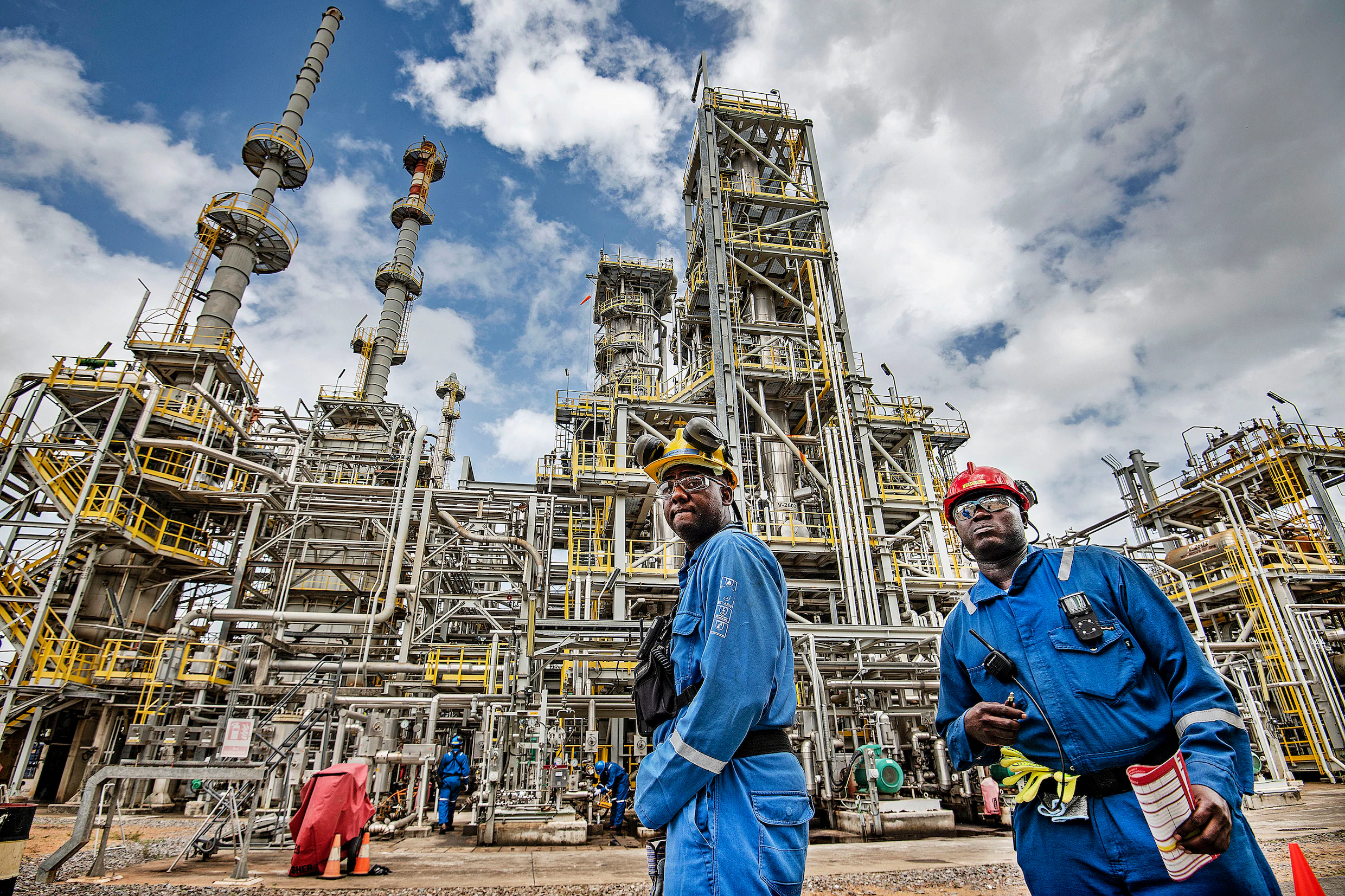
Suriname is at the beginning of a new economic phase. With the GranMorgu project in Block 58, the country is preparing for its first major offshore oil production. The project is located about 150 kilometers off the Surinamese coast and, according to TotalEnergies, is expected to start production in 2028 with a capacity of 220,000 barrels per day.
The timing makes the recent earthquakes in Venezuela especially relevant. On June 24, 2026, Venezuela was hit by two major earthquakes of magnitude 7.2 and 7.5 in quick succession. According to the USGS, the strongest quake occurred near Yumare in Venezuela as a result of shallow strike-slip faulting.
For Suriname, this does not mean there is immediate danger to the planned oil production. In international risk models, Paramaribo is seen as an area with very low earthquake hazard. Still, the event in Venezuela shows that major energy projects in the wider Caribbean region must be assessed not only financially and technically, but also in terms of disaster preparedness.
GranMorgu is more than an oil project for Suriname. TotalEnergies cites a 10.5 billion dollar investment, local economic impact, employment and support from Paramaribo as important parts of the development. APA Corporation reports that the Sapakara and Krabdagu fields together contain more than 750 million barrels of estimated recoverable resources.
The earthquakes in Venezuela make one point especially clear: in the coming years, Suriname must look not only at revenues, jobs and investors, but also at operational safety. Offshore installations, ports, logistics routes, data connections, emergency communication and environmental monitoring must be able to withstand regional disruptions, even when the risk to Suriname itself is considered low.
Reuters reported that Venezuela’s oil infrastructure did not appear to be heavily damaged immediately after the quakes, but that prolonged power outages could still affect production. That is also an important signal for Suriname: in energy projects, risk is not only about the drilling location itself, but also about electricity, transport, communication, personnel and crisis coordination.
The coming period will therefore be decisive for how Suriname builds its new oil economy. It is important not only how much oil is produced, but also how transparently, safely and future-proof the surrounding infrastructure is organized.
For companies, policymakers and investors, there is a clear task here: use the years before the expected start of production in 2028 to measure risks more effectively, test emergency plans and build local expertise. The earthquakes in Venezuela are not a reason to put Suriname’s oil ambitions on hold, but they are a warning to organize them carefully.







Comments
Professional community conversations - keep it friendly and on topic.
Your comment
Log in to post a comment and join the community conversation.
Log in