Rotterdam is increasingly becoming visible as an important Surinamese culture city in the Netherlands. The city not only has a large Surinamese community, but also a growing cultural program in which commemoration, celebration, music, theater, food and heritage come together. According to figures from Statistics Netherlands, about 8 percent of Rotterdam residents have Surinamese origins, making the community a clear part of the city.
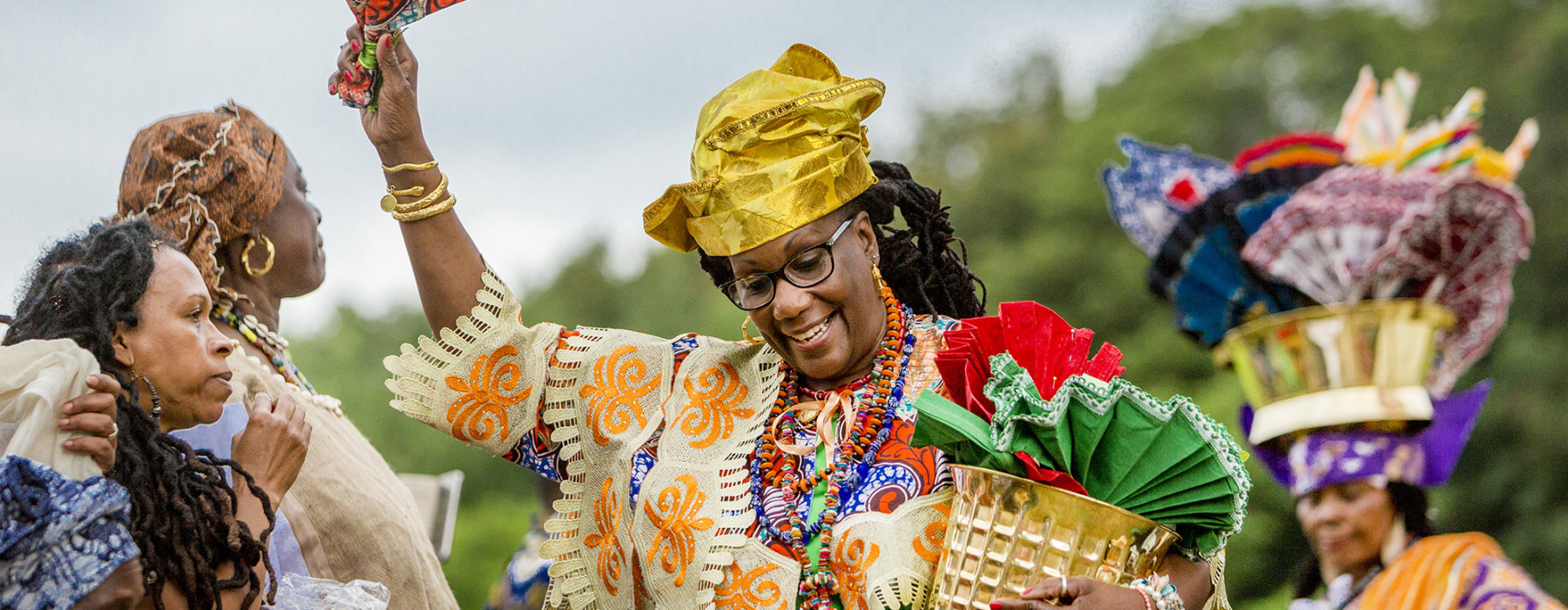
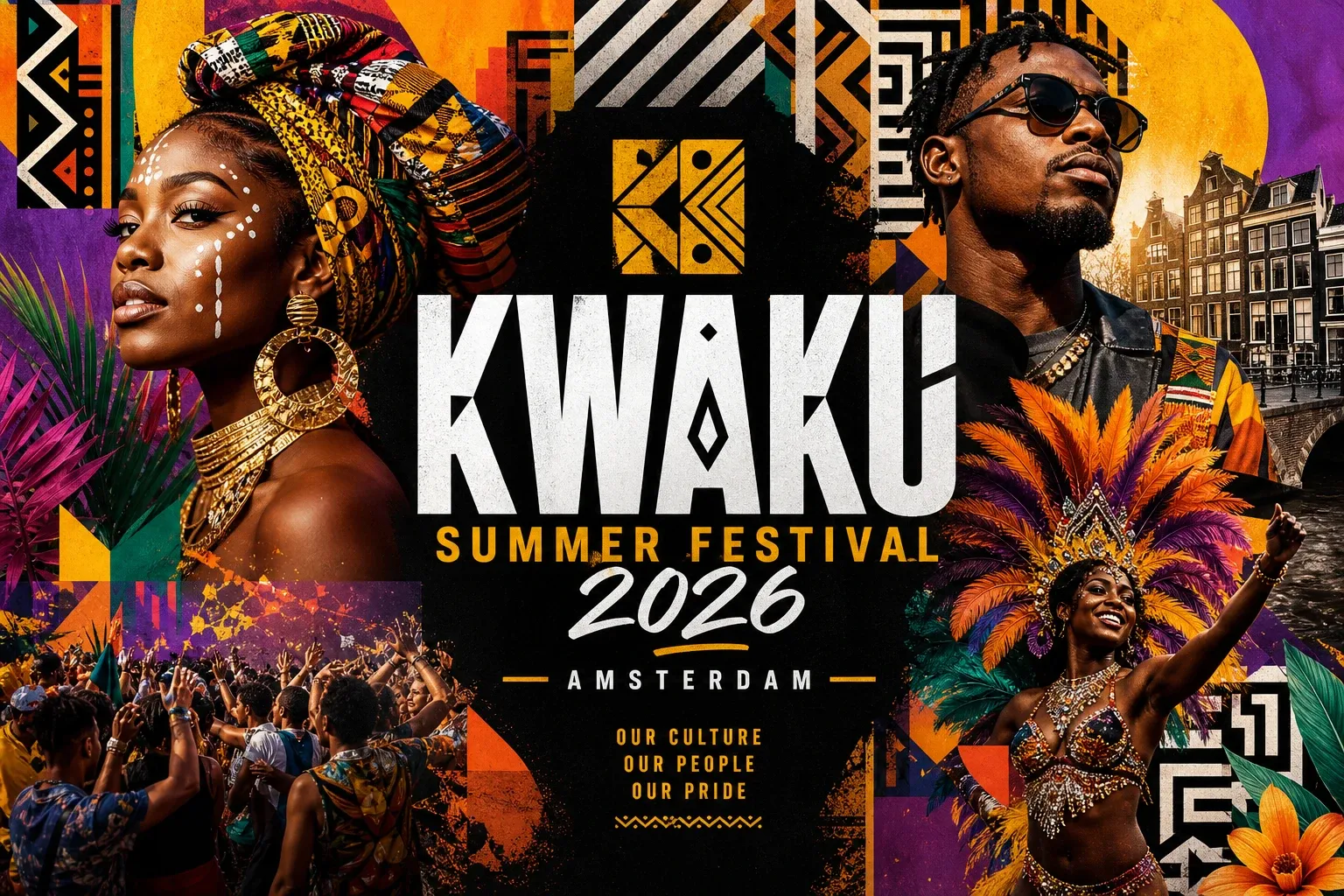
That presence becomes especially visible around Keti Koti. In 2026, Rotterdam is once again organizing a citywide program around the commemoration and celebration of the abolition of slavery. The commemoration takes place on June 30, followed by the Keti Koti Liberation Festival on July 1. Rotterdam lists Wijkpark Oude Westen, Schouwburgplein and de Doelen among the locations, with a program that is free to attend and intended for all ages.
What makes Rotterdam interesting is that Surinamese culture is not limited to one festival day. Around 50 years of Surinamese independence, Theater Zuidplein highlighted the shared past of Suriname and the Netherlands, with performances and activities that create space for conversation, recognition, encounter and connection. In this way, Surinamese-Dutch history is given a place in a major Rotterdam theater program.
Music also plays a strong role. Kaseko in Concert at Theater Zuidplein shows how Surinamese music history reaches a broad audience in Rotterdam. The performance is presented with a 16-piece band and takes visitors through the rich history of Surinamese music, with kaseko as a recognizable cultural foundation.
Surinamese history is also gaining a larger stage at Theater Rotterdam. The Suriname trilogy is presented as the theatrical closing piece of a special year in Dutch and Surinamese history. This shows that Surinamese stories do not only live in community halls or festivals, but are also becoming part of the wider Dutch theater agenda.
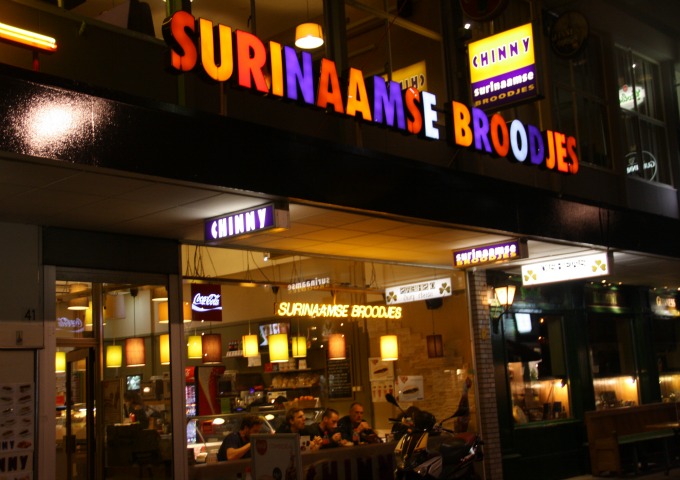
Rotterdam is therefore more than a city where many Surinamese Dutch people live. It is a place where Surinamese culture is actively organized, passed on and renewed. The city connects older generations who experienced migration history themselves with young people who are reshaping their Surinamese roots through music, fashion, food, art and entrepreneurship.
For entrepreneurs and creators, this development offers opportunities. Surinamese food concepts, cultural evenings, music productions, theater projects and educational programs can find an audience in Rotterdam that is interesting both locally and nationally. Precisely because of its mix as a port city, migration city and culture city, Rotterdam has a natural position within the Surinamese Dutch community.
The growth of Surinamese culture in Rotterdam also shows something bigger. Diaspora culture is becoming increasingly professional. Where many events used to take place mainly within the community itself, they now reach broader audiences, larger stages and official city agendas. This makes Rotterdam a city where Surinamese identity is not only preserved, but also further developed.
In the coming years, Rotterdam can therefore grow into one of the most important places for Surinamese-Dutch culture. Not as a replacement for Amsterdam or The Hague, but as its own center with a Rotterdam character: direct, diverse, entrepreneurial and strongly connected to the community.




Comments
Professional community conversations - keep it friendly and on topic.
Your comment
Log in to post a comment and join the community conversation.
Log in