

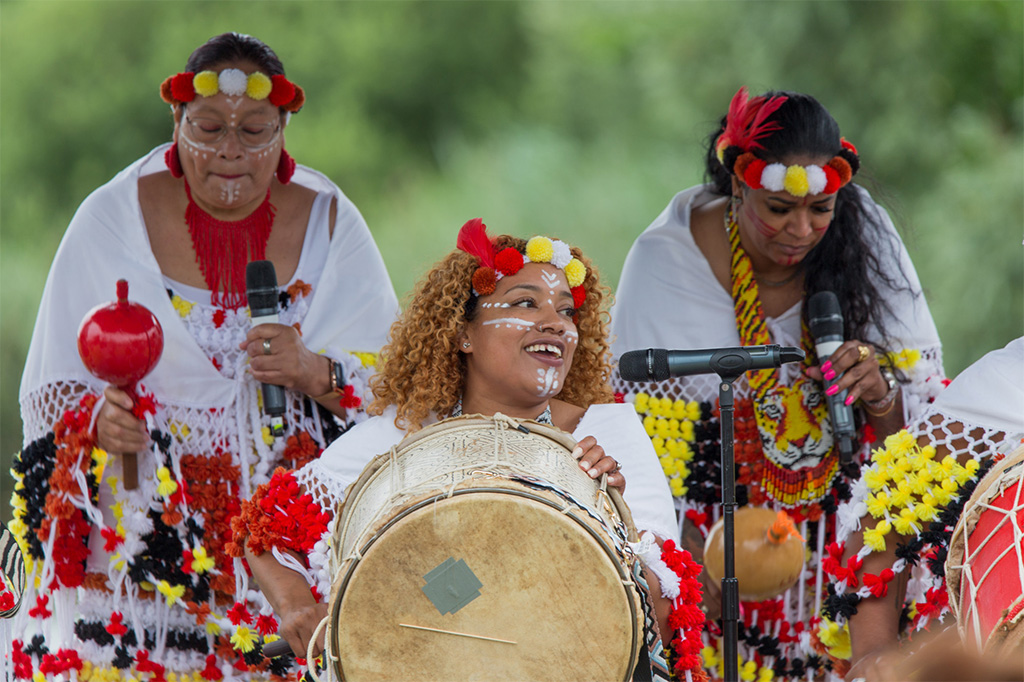
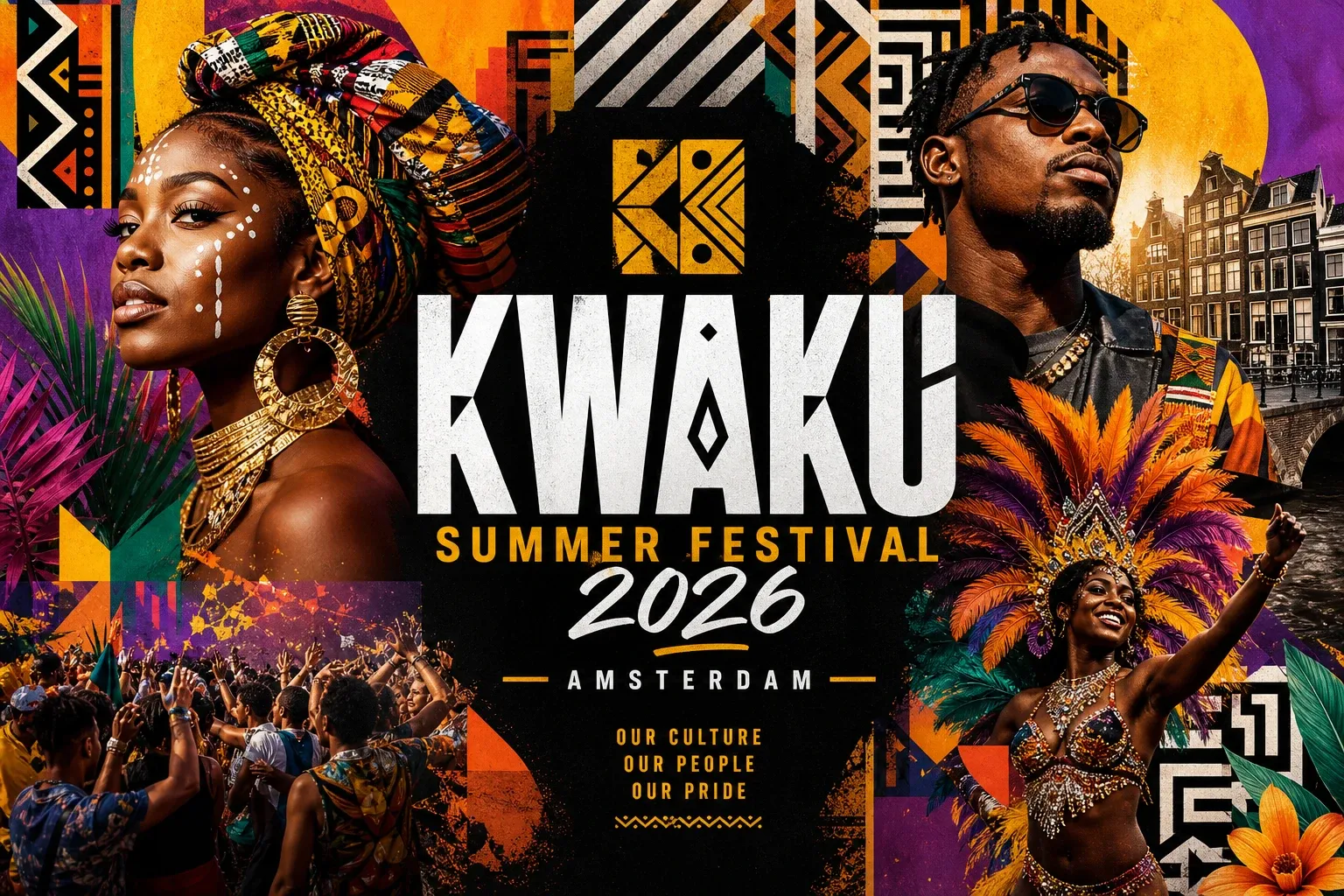
Keti Koti is coming and will once again have an important place in the Netherlands in 2026. On July 1, commemoration and celebration take center stage: the abolition of slavery in Suriname and the Caribbean part of the Kingdom is commemorated, while freedom, culture and community are celebrated. In Amsterdam, the National Commemoration of the Slavery Past takes place in Oosterpark, followed by the Keti Koti Festival at Museumplein.
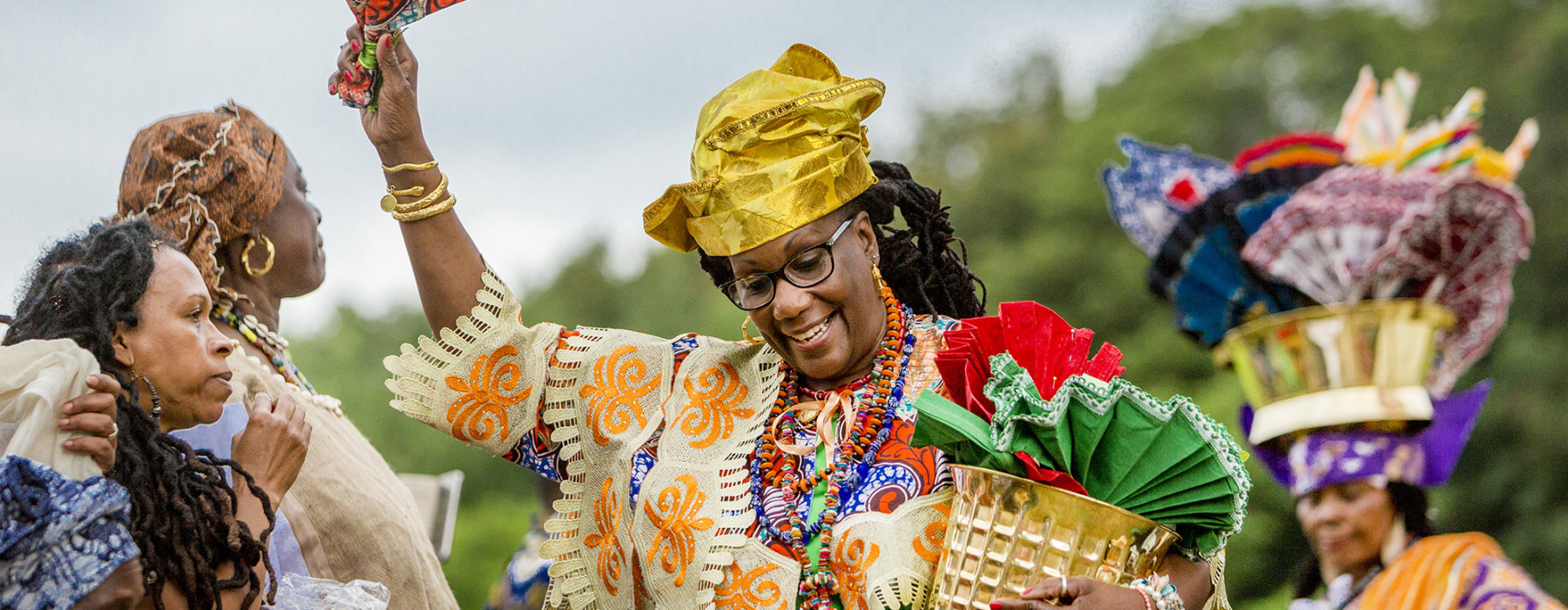
In Amsterdam, the day traditionally begins with the Bigi Spikri, a parade with music, clothing and a sense of community. This is followed by the commemoration at the National Monument to the Slavery Past in Oosterpark. During the festival at Museumplein, multiple stages, performances and cultural programs are expected. The municipality of Amsterdam states that the festival will take place on July 1, 2026, from 12:00 to 23:00 at Museumplein.
Rotterdam is also taking a large-scale approach to Keti Koti. There, the emphasis is on a citywide program in which commemoration, celebration and connection come together. The commemoration takes place on June 30, while the Keti Koti Liberation Festival is organized on July 1. Rotterdam lists Wijkpark Oude Westen, Schouwburgplein and de Doelen among the locations.
What stands out is that Keti Koti is receiving increasing attention for children and education. At de Doelen Rotterdam, this year’s celebration focuses on primary school children, with workshops, children’s books, traditional clothing and activities that make history more accessible to a younger generation. In this way, Keti Koti is shifting not only into a festival moment, but also into a way of passing on knowledge.
For the Surinamese Dutch community, Keti Koti is more than an annual date. It is a moment where history, identity and the future come together. For older generations, it is often about recognition and remembrance. For young people, it is increasingly about pride, cultural expression, music, fashion, food and the question of how to keep Surinamese roots visible in the Netherlands.
What can visitors expect? In major cities, Keti Koti will likely consist of a mix of commemorations, live music, spoken word, Surinamese and Caribbean food stands, community conversations, children’s programs and cultural performances. In Amsterdam, the emphasis is on the national commemoration and the large festival at Museumplein. In Rotterdam, the strength seems to lie mainly in its spread across the city and the combination of culture, education and encounter.
The growth of Keti Koti shows that the slavery past is not only a historical subject, but also a current social conversation. The question is no longer only what is being commemorated, but also how the Netherlands gives this history a permanent place in education, media, culture and urban events.
For organizers, visitors and entrepreneurs, Keti Koti therefore offers more and more opportunities. Cultural creators get a stage, food entrepreneurs reach a broad audience and communities can tell their story in their own way. At the same time, balance remains important: Keti Koti is a celebration of freedom, but it begins with a history of unfreedom that must be told carefully and respectfully.
Anyone visiting Keti Koti this year can therefore expect more than a festival day. It will be a moment of reflection, connection and visibility for the Surinamese Dutch community. That is exactly why Keti Koti is growing into one of the most important cultural days of the year.




Comments
Professional community conversations - keep it friendly and on topic.
Your comment
Log in to post a comment and join the community conversation.
Log in