

Open source is now startup infrastructure
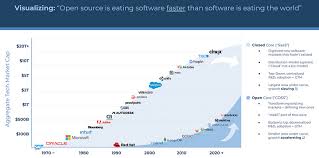
Most startups already depend on open source, even if they do not describe themselves as open-source companies. Frameworks, databases, libraries, deployment tools, testing utilities and security scanners are often built on open-source foundations. This makes open source a core part of modern software development.
The strategic question is changing. Startups are not only using open source to save time. Some are using it to build trust, attract developers, create ecosystems and compete with larger vendors. Open source can make a young company more visible and credible when handled well.
Why startups choose open source
Open source can reduce time-to-market because teams do not need to build every component from scratch. It also allows developers to inspect behavior, customize tools and contribute fixes. For infrastructure and developer-tool startups, open source can become a distribution channel. Developers may try an open project before buying hosted services or enterprise features.
Transparency can also support trust. Customers and partners may feel more confident when critical components are visible, documented and community-reviewed. This is especially relevant for identity, security and public-sector technology, where trust is central.
The responsibilities are real
Open source is not free of cost. Projects need maintenance, issue triage, security updates, documentation and governance. A startup that opens code without a plan may create expectations it cannot support. Licensing also matters because different licenses create different business and legal implications.
Security requires special attention. Open code can be reviewed, but it can also expose weaknesses if maintenance is poor. Startups need dependency management, vulnerability response and clear contribution policies.
Business models and ecosystem value
Open-source startups often use models such as hosted services, enterprise support, open core, managed infrastructure or paid features around a free foundation. The strongest model depends on the product, audience and operational cost. A library, database and platform all require different strategies.
The conclusion should be that open source matters more because software is increasingly ecosystem-driven. Startups that understand open source can build faster, earn trust and create developer communities. But they must treat open source as a long-term commitment, not a marketing shortcut.





Comments
Professional community conversations - keep it friendly and on topic.
Your comment
Log in to post a comment and join the community conversation.
Log in